Information
Landmark: Jozani Forest ReserveCity: Zanzibar
Country: Tanzania
Continent: Africa
Jozani Forest Reserve, Zanzibar, Tanzania, Africa
Overview
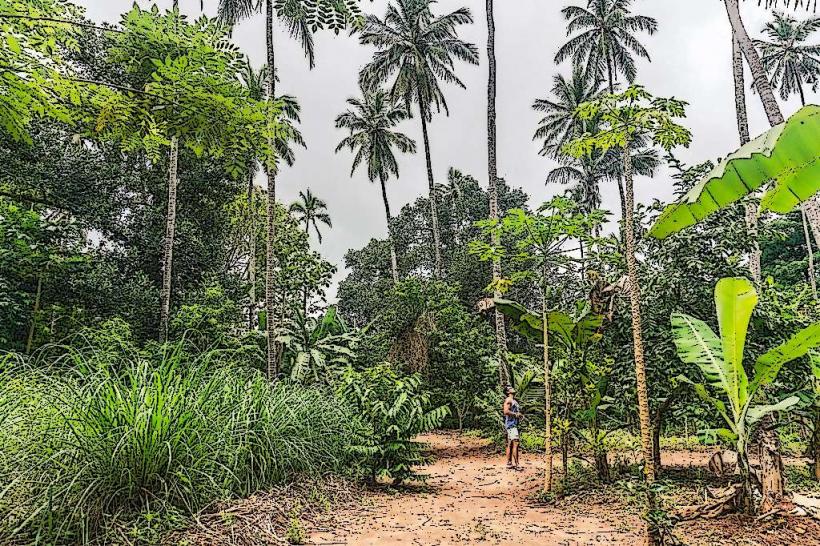
Jozani Forest Reserve, Zanzibar’s crown jewel of biodiversity, stands as one of the island’s most treasured natural landmarks-saunter its shaded trails and you might spot a rare red colobus monkey peering from the trees, furthermore on Zanzibar Island’s southeastern coast, the reserve bursts with life-endangered Red Colobus monkeys leaping through the treetops, rare plants curling in the shade, and a vibrant mix of other wildlife.The forest sits within the vast Jozani–Chwaka Bay National Park, where visitors can wander under tangled canopies and experience Zanzibar’s wild beauty while learning about its conservation, in conjunction with jozani Forest Reserve, in southeastern Zanzibar Island, Tanzania, is a protected forest covering about 50 square kilometers as part of Jozani–Chwaka Bay National Park.It’s open daily from 8 a.m, in conjunction with to 5 p.m, with entry usually costing $10–$20 per explorer.You can visit any time of year, though the dry season from June to October makes the winding paths easier to amble, equally important one of the island’s last natural forests, it hums with life and stands as a crucial sanctuary for Zanzibar’s rich biodiversity.The destination is a lush tropical forest, where mangroves grip the muddy shore, coastal trees crowd the edge, and wetlands shimmer in the heat, moreover the rich mix of habitats lets plants burst into bloom and animals find plenty of room to roam.First, as a result many visitors come to Jozani hoping to catch sight of the rare Zanzibar red colobus monkey (Piliocolobus kirkii), with its russet back and curious, watchful eyes.The Zanzibar red colobus lives only on Zanzibar, clinging to the island’s coastal forests, and nowhere else on Earth, equally important fewer than a thousand remain in the wild, making the species critically endangered, fairly With their reddish-brown coats, tufts of white whiskers, and inky-black legs, the Red Colobus monkeys stand out as they leap through Jozani Forest’s canopy, chattering and shaking the leaves, not only that the forest shelters these rare primates and offers visitors a glimpse of them in the wild.You might also spot Syke’s monkeys watching from a branch, bush babies darting through the murky on night tours, modest antelopes grazing in clearings, or bats wheeling overhead, as a result kingfishers flash blue over the water, hornbills call from deep in the trees, and sunbirds hover near blossoms.Reptiles-like Zanzibar Land Snakes and tiny geckos-slip between roots, while those drawn to plants will find the forest rich with lush, layered greenery, along with jozani’s vegetation ranges from towering tropical trees to low shrubs and medicinal herbs, mixing rare local species with those found elsewhere; its mangrove forests shield the coast and lock away carbon, while ferns, palms, and luminous wild orchids-some used in traditional remedies-thrive across the reserve, sort of A guided roam is one of the best ways to explore Jozani Forest, where the air smells of damp earth and monkeys rustle through the treetops, subsequently local guides who comprehend the land well lead visitors along tidy forest trails, sharing stories about its ecology, history, and why it matters.Actually, The wander runs about one to two hours, winding through thick jungle where you might spot a Red Colobus monkey leaping between branches, as a result one of Jozani Forest’s standout attractions is the mangrove boardwalk.Visitors can stroll along the boardwalk above the swampy, tidal waters of the mangrove forest without upsetting its fragile balance, hearing the quiet splash of fish below, to boot it’s a perfect spot for birdwatching and for studying the tangled roots of mangrove trees-vital to coastal life and natural defenses against erosion and floods.For many, though, the real thrill comes at the Red Colobus Monkey Viewing Area, where they can watch the rare Zanzibar Red Colobus leaping freely through the branches, likewise monkeys often wander close to visitors, especially at feeding time or when leaping between branches, their fur brushing leaves as they pass.They’re so used to people that you can snap incredible photos while they dart through the trees or scamper across the forest floor, moreover with its mix of habitats, Jozani Forest is also a haven for bird lovers.The forest shelters a mix of migratory birds and those found nowhere else, from the dazzling-red-billed Zanzibar hornbill to the shimmering blue woodland kingfisher, and even the shy Suni antelope rustling through the undergrowth, as a result at night, guided tours invite you to notice it all in a completely different light, loosely As dusk falls, bush babies leap through the branches while frogs and insects stir to life, their calls mingling with the soft chirring of crickets and the flutter of bats overhead; in Jozani Forest, this nighttime symphony plays out under a canopy protected by ongoing efforts to safeguard its wildlife and rare ecosystems, in addition conservation work here focuses on three main goals: safeguarding the Zanzibar red colobus by keeping the forest a risk-free haven and tracking each troop through ongoing research, replanting native trees to bring life back to damaged patches where the air smells of fresh leaves, and promoting eco-friendly tourism in the Jozani-Chwaka Bay National Park so visitors can explore without harming the reserve.Your entrance fee helps protect the forest and the wildlife that call it home-like the rustle of colobus monkeys in the canopy, likewise so, why visit Jozani Forest Reserve?At Jozani, you’ve got a rare chance to watch the critically endangered Zanzibar red colobus monkey leap through the trees, along with other remarkable wildlife in their natural home, likewise at Jozani Forest, you’ll have the rare chance to witness a species found nowhere else on Earth, wander through tropical forests, mangrove swamps, and wetlands alive with color and movement, learn firsthand how conservation protects fragile habitats, and hike shaded trails where the air smells of damp leaves-all while helping preserve the Zanzibar Red Colobus and the rich ecosystems that sustain them., kind of
Author: Tourist Landmarks
Date: 2025-09-13